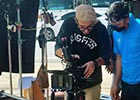
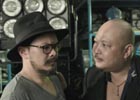









Thailand has many talented art directors, decorators, and set designers, and we work closely with the strongest local professionals. A real art director is not a solo decorator with references. A real art director leads a team, manages people, timelines, suppliers, and decisions — and takes responsibility for the result.
Our art department is integrated directly into the production process. Art directors at Filmservice Thailand operate with their own teams: set designers, prop masters, construction, and decorators, working in constant coordination with camera, lighting, and production management. This allows us to control budgets, schedules, and visual consistency from concept to final frame. By combining full production services with an in-house, team-driven Art Department, we give international clients clarity, accountability, and predictable results. For us, the art department is not decoration — it is a production tool. We provide an art department that delivers ideas to the set — not just to a PDF.
We don’t sell illusions.
We deliver full production design and art execution in Thailand.
We take responsibility.
ART DIRECTORS IN THAILAND
THAILAND ART DIRECTOR. RESPONSIBILITY OVER DECORATION.The role of an art director in Thailand is often misunderstood. It is not about taste, references, or visual trends. A professional art director operates at the intersection of concept, logistics, budget, crew, and time. Their responsibility is not to make something “beautiful,” but to make it work under real production conditions — with real cameras, real lighting, real schedules, and real financial limits. A strong art director understands how design decisions affect shooting efficiency, camera movement, lighting continuity, and crew workflow. In Thailand, where productions move fast and conditions change quickly, this understanding is critical. To be a top-level art director in Thailand, creative ability is only the starting point. The real difference lies in production literacy. The best art directors know the local market deeply: materials, suppliers, fabrication timelines, location restrictions, labor structure, and cultural working habits. At the same time, they must think in international standards. Global productions expect clarity, accountability, and solutions — not explanations. This means speaking the language of producers and cinematographers, not only decorators. An art director who cannot translate visual ambition into executable plans will always lose control once the shoot begins. Producer to producer: an art director is not a stylist, and not a decorator with better references. An art director is a control function. In Thailand, this distinction matters more than anywhere else. When art direction is treated as taste instead of responsibility, productions lose money, time, and authority on set. At Filmservice Thailand, we approach art direction as a production discipline. Our art directors operate inside the same structure as camera, lighting, crew, and production management. This is non-negotiable. If art decisions are made without direct access to production tools, compromises are guaranteed. Sets get simplified during the shoot. Props fail under light. Locations stop working once blocking changes. Budgets bleed silently because no one owns the full picture. Responsibility becomes fragmented, and producers are left managing consequences instead of progress. To be a top-level art director in Thailand today, creative ability is the minimum requirement. What actually defines the best is production literacy. You must understand how the Thai market works — suppliers, fabrication realities, labor structure, weather, logistics — and still operate at international standards. Foreign directors and agencies do not want explanations. They want decisions that survive real shooting conditions. This requires art directors who think in terms of execution, not presentation. The competitive landscape is misunderstood. Our real competitors are not local decorators or prop masters. Thailand has many of them, and many are excellent at what they do. The real issue is that Thailand has very few production designers operating at a true cinematic level. This is why foreign producers often bring their own production designers from Europe or elsewhere, hiring local crews only as hands. Not because Thai talent is weak, but because the system rarely offers integrated visual responsibility. This is exactly where Filmservice Thailand’s Family Team positions itself differently. We built an art department that is Thai-based, market-native, and structurally integrated into a full service production system. Our art directors work daily with our own camera teams, lighting units, construction crews, and production managers. We control crew, gear, and art under one roof. This allows us to take responsibility — not just for how things look, but for how they are built, lit, shot, reset, and delivered. We do not sell visual fantasies. If a concept cannot be executed within the producer’s real budget, we say it early. If the budget changes, the design changes — consciously, transparently, and under control. We do not accept projects where expectations ignore production reality. This is how producers lose leverage, and this is exactly what we avoid. For clients, this approach means clarity. Shorter decision chains. Fewer surprises on set. Visual quality that is controllable, not hopeful. For Thailand, it means something more important: production budgets stay in the country. Filmservice Thailand is not an execution layer under a foreign art department. We are a professional alternative to “bringing the art department from Europe.” Same level of responsibility. Local intelligence. Full production control. Art direction is not decoration. It is a production tool. And we treat it accordingly. |
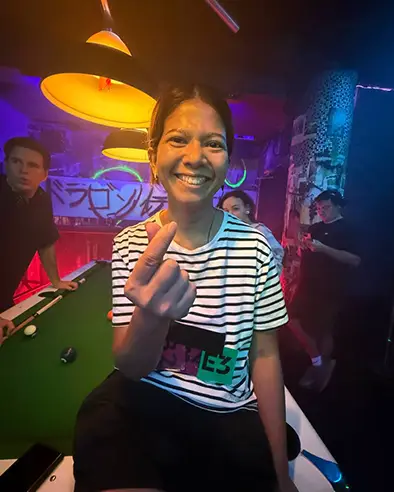
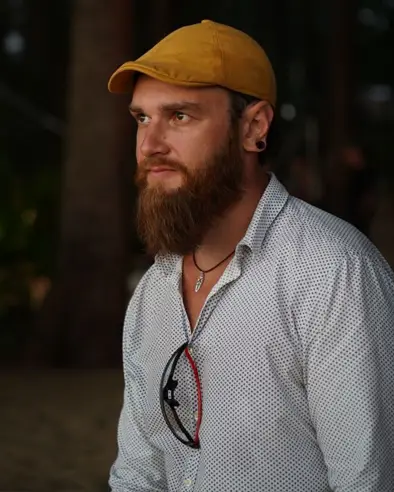
Kessi (Bangkok)
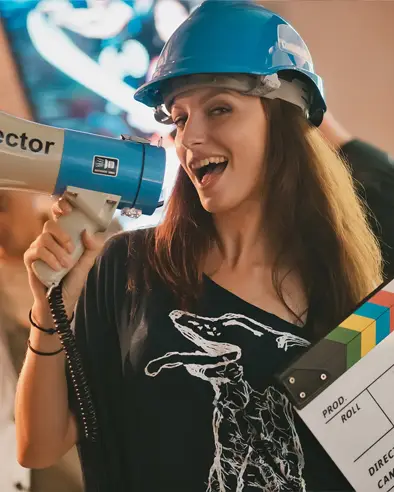
Leo (Phuket)
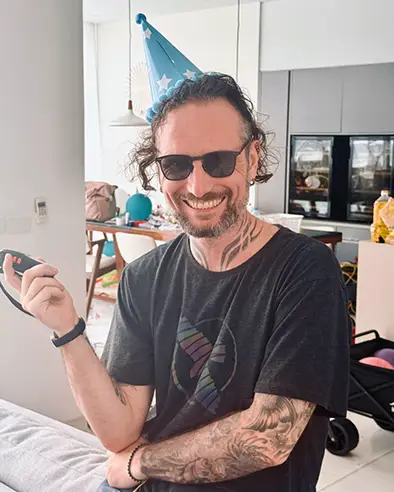
Olya (Bangkok)
Allan (Samui)
Production control
Art direction is
not decoration.
It is a production tool.
filmservice.asia
EXPLORING PRODUCTION set design in Thailand with a professional art department in Bangkok
TESTIMONIALS:
Position Filmservice Thailand’s Art Department as a specialized premium service — not just pre-production, they deep art leadership with Props and set execution
Not overpriced.
Everything comes on time. it was nice working together.
Great crew.
Best Aputure lighting choice in Thailand.
Awesome to work with!!!
The more I work and more love
badass crew, the most
perfect!
We are
filmmakers